FridgeFit — Scan the Fridge, Skip the Waste
by Ethan Kwan
"Point at your fridge. Get dinner you can actually make tonight." FridgeFit reads what is on the shelves — including the things pushed to the back — and suggests meals ranked by how little else you would need to buy.
The ranking is stated openly on the page rather than hidden behind a black box, and it runs in a deliberate order. Coverage first: meals that need nothing extra sit at the top. Waste next: anything flagged as forgotten pushes a recipe up, so the wilting spinach gets used before the ingredients you just bought. Then effort: shorter, simpler cooking wins ties. That ordering is a real product decision — it optimises for reducing food waste rather than for the most appealing meal, which is what makes it useful on a Tuesday night.
The architectural choice worth pausing on is where the model runs. Ethan built the logic around a Llama model executed locally, and demonstrated it running on-device during the hackathon rather than calling a hosted API. That is not a performance optimisation, it is a privacy decision. A photo of the inside of someone's fridge is genuinely personal data — it reveals diet, budget, household size, religious and medical dietary restrictions — and the standard architecture would upload it to a third-party server and retain it. Running inference locally means the image never leaves the device, there is no account to create, no data to breach, and no retention policy to trust. Privacy comes from the architecture rather than from a promise in a policy document.
The interface handles the unglamorous parts properly. There is a demo fridge for people who want to try it without photographing their kitchen, an upload path, and — unusually for a prototype — a deliberate "simulate a failed scan" control, because a vision system that only ever demos its happy path is not a system anyone can rely on. Detected items come back with quantities and confidence you can correct by hand, and the deployed prototype is upfront that its detection is simulated with sample data, which is the honest way to ship a demo. Beyond the scan it carries a meals view, a nutrition plate and a profile.
UI and UX were built out in Lovable on top of that logic.
More like this
AI Inner Workings — Machine & Deep Learning
by Uncredited
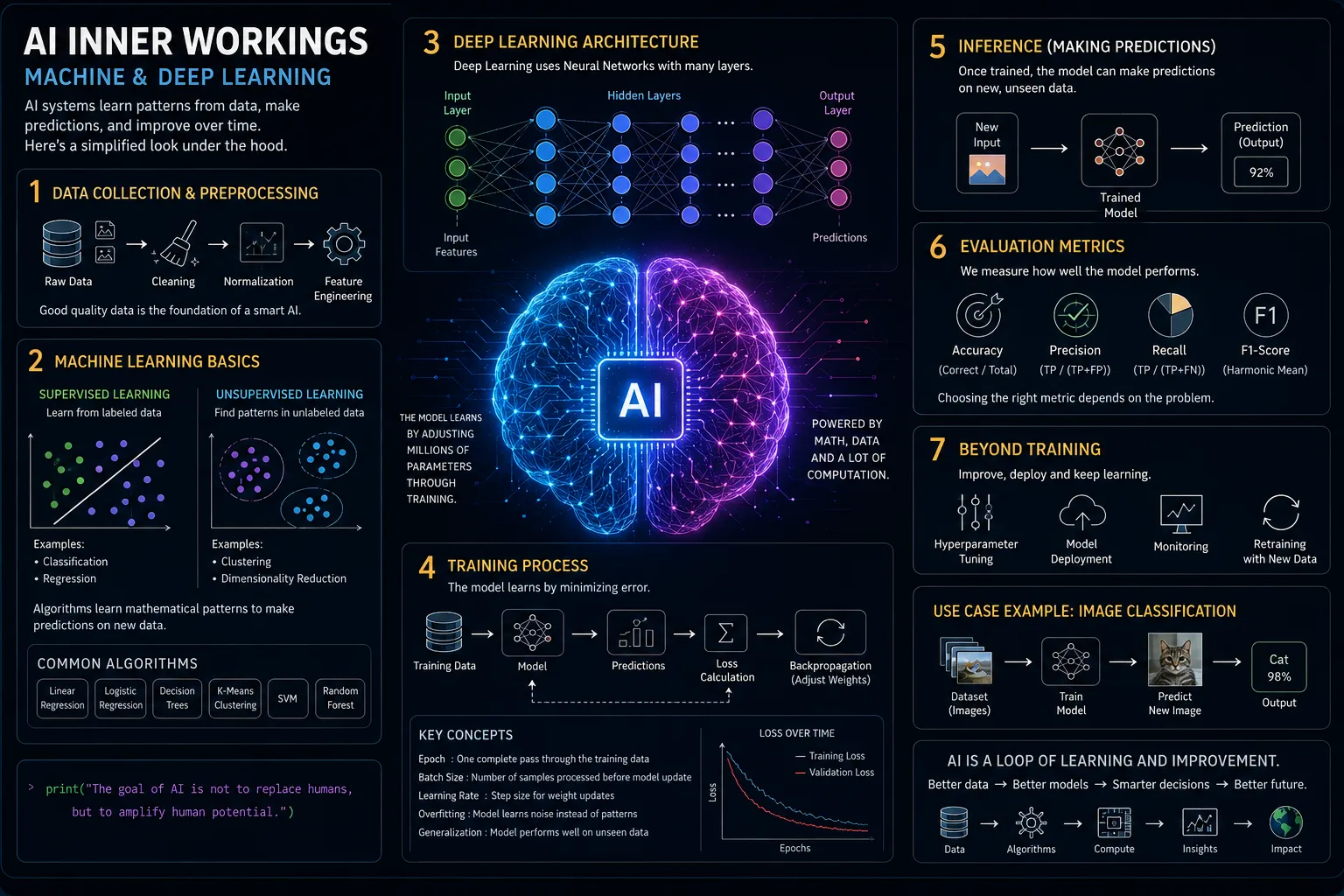
Go under the hood of AI: understand machine learning and neural networks, how models learn from data and make predictions, and the core ideas behind training and optimisation.
Vibe Coding & Full-Stack Foundations
by Uncredited
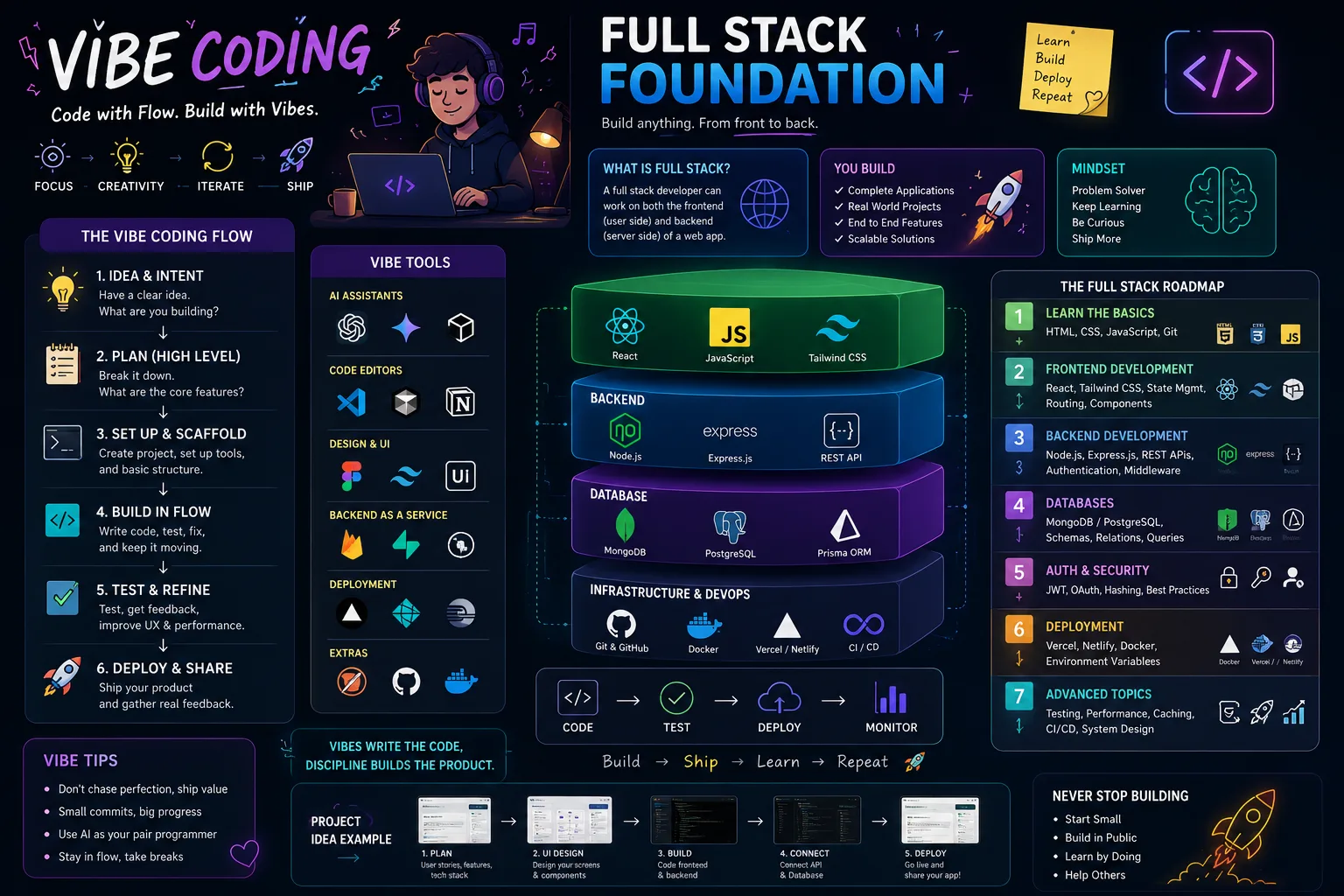
Build polished products end-to-end — frontend UI, backend logic, and connected APIs (including AI model endpoints) that power dynamic, intelligent features.
n8n AI News Automation
by Zach Tudor
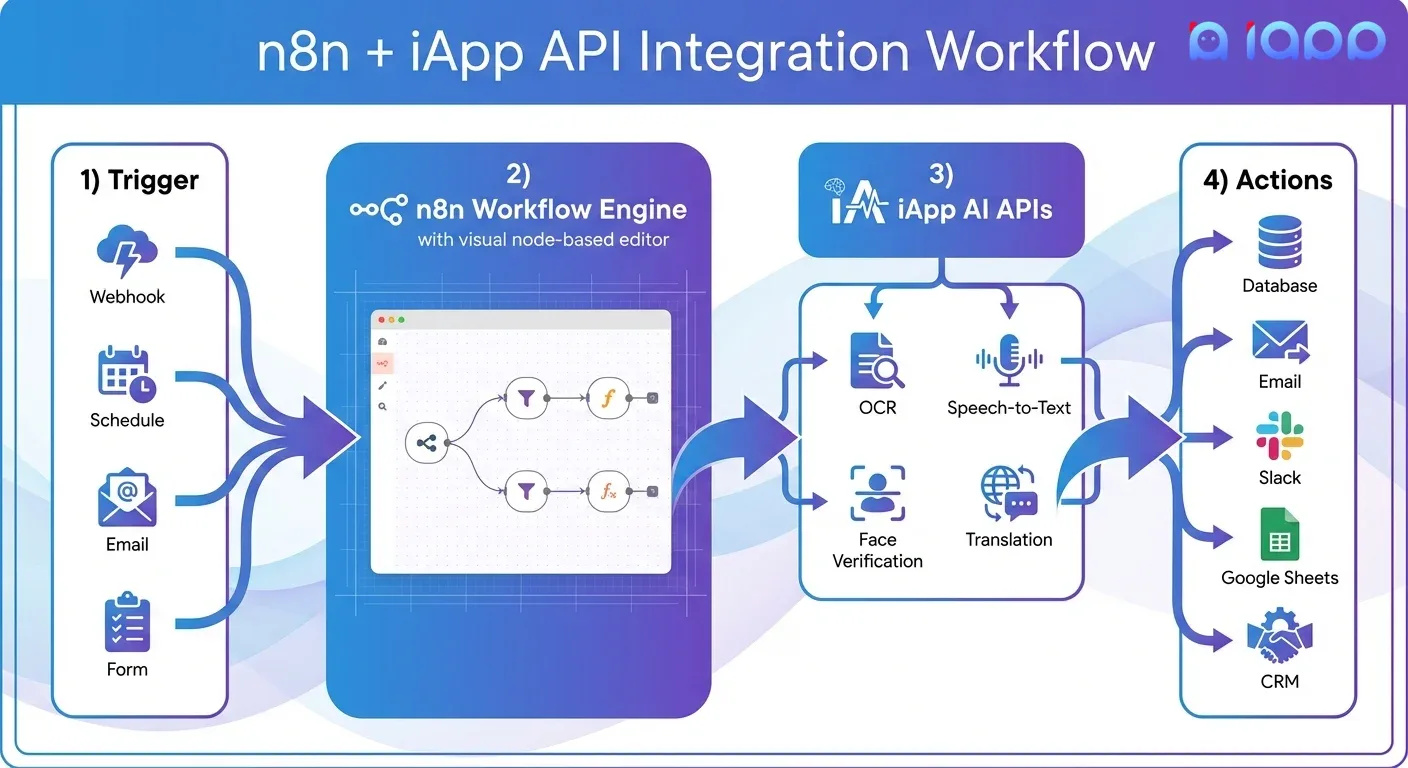
An AI agent workflow that generates daily news image articles for Instagram using n8n automation.